AIMedLab.proAI Research in Medicine
Research areas

AI across the medical research landscape

From pixels to molecules to clinical notes: we build models for the data your study actually has. Below are the areas we work in, with examples of the tasks we help with.

01

Medical Imaging AI
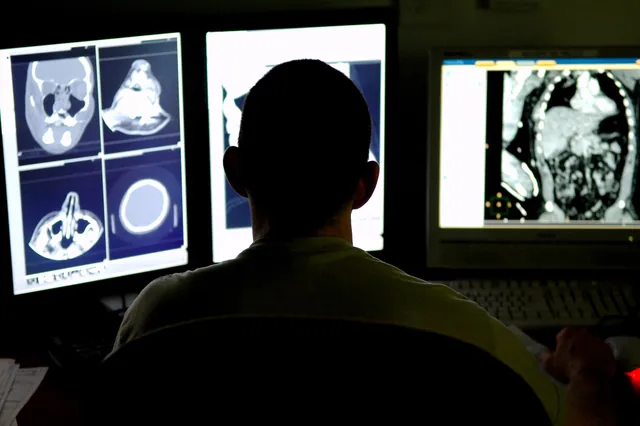
Radiologist reviewing CT images on several monitors

We build computer vision models for radiology and pathology research: organ and lesion segmentation, nodule detection, whole-slide image analysis, and quantitative imaging biomarkers. Models are validated on held-out and, where possible, external cohorts.

Example research tasks

  • Test whether automated tumour volume measurement predicts treatment response.
  • Pre-screen histology slides so that pathologists review the most suspicious cases first.
02

Clinical NLP & Medical LLMs

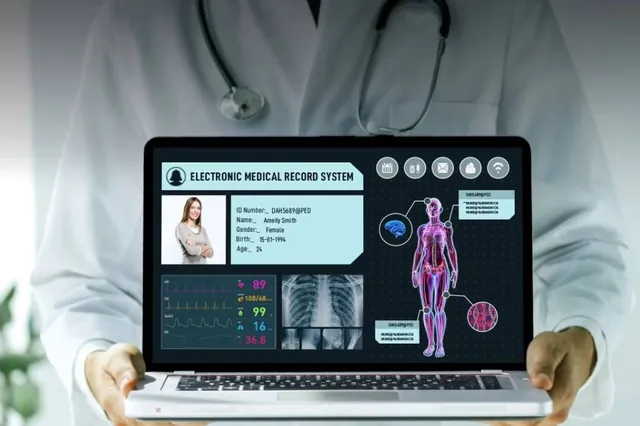
Electronic medical record system on a laptop

We turn unstructured medical text into research-ready variables: diagnoses, medications, dosages, adverse events, timelines. We also build retrieval-augmented LLM assistants based on guidelines, protocols and scientific literature, deployed on-premises when the data requires it.

Example research tasks

  • Build a cohort from 200,000 discharge summaries without manual chart review.
  • Summarise and compare evidence across thousands of publications.
03

Drug Discovery & Molecular Modelling

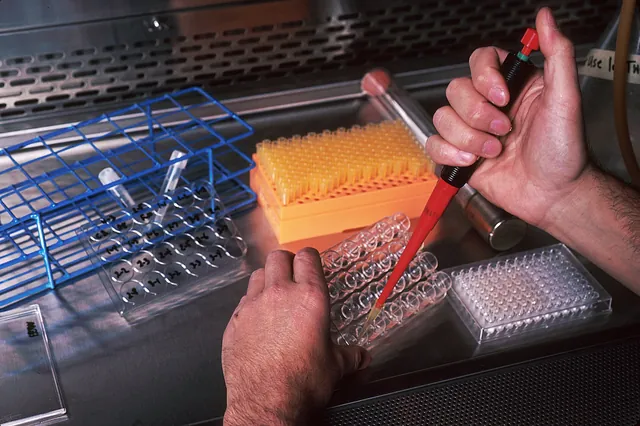
Pipetting samples into a microplate

We develop graph neural networks and other molecular models for activity, toxicity and ADMET prediction, virtual screening of compound libraries, and structure-aware candidate generation. All models are tuned to your assays and chemical space.

Example research tasks

  • Rank a 2-million-compound library before wet-lab screening.
  • Predict toxicity liabilities early in lead optimisation.
04

Biosignals & Wearables

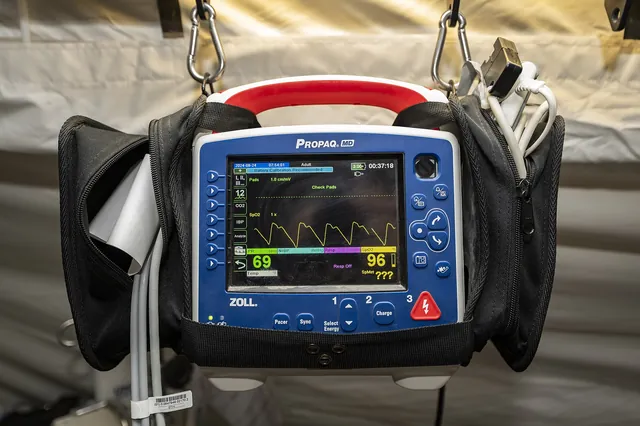
Patient monitor displaying ECG and vital signs

We analyse physiological time series from bedside monitors, Holter devices and wearables for arrhythmia detection, sleep staging, seizure detection and remote-monitoring endpoints in clinical studies.

Example research tasks

  • Detect atrial fibrillation episodes in long-term wearable recordings.
  • Derive a digital endpoint for a decentralised clinical trial.
05

Clinical Predictive Analytics

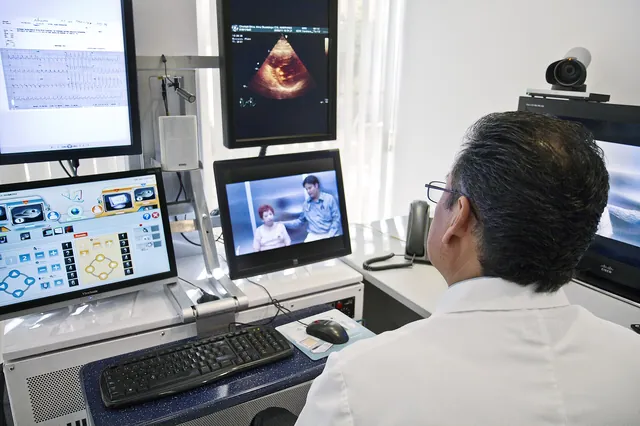
Physician working with clinical data on multiple screens

We build interpretable models for readmission, complications, disease progression and treatment response, including survival analysis and causal inference methods for observational data, with calibration and fairness checks across patient subgroups.

Example research tasks

  • Identify ICU patients at risk of sepsis within the next 12 hours.
  • Estimate treatment effects from observational registry data.
06

Genomics & Multi-omics

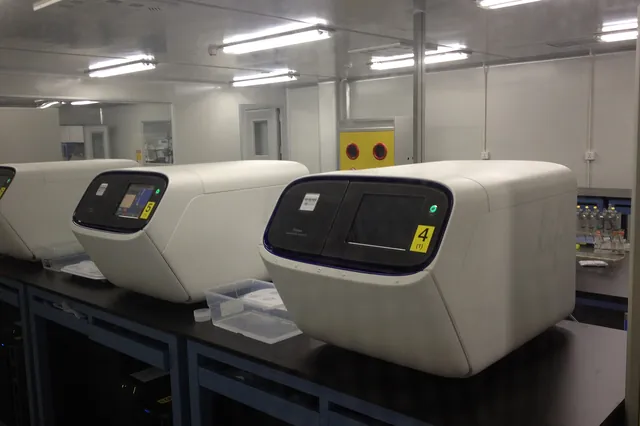
DNA sequencers in a genomics laboratory

We apply machine learning to high-dimensional omics data: biomarker discovery, patient subtyping, variant prioritisation, and integration of omics with clinical and imaging data for a fuller picture of disease.

Example research tasks

  • Find a gene-expression signature that separates responders from non-responders.
  • Discover molecular subtypes in a rare-disease cohort.
07

Clinical Trial Intelligence

Clinical trial consultation with a patient

We help sponsors and CROs use AI across the trial lifecycle: matching patients to eligibility criteria, forecasting recruitment, detecting anomalies in trial data, and automating parts of medical writing.

Example research tasks

  • Match eligible patients from hospital records to protocol criteria.
  • Flag inconsistent or suspicious entries in multi-site trial data.
08

Custom Research AI

Server racks in a data centre

Many of the most interesting medical problems have no ready-made solution. We study the question, the data and the constraints, and design a custom architecture, from small models that run on a device to large multimodal systems.

Example research tasks

  • Combine imaging, lab values and notes into one multimodal model.
  • Run a lightweight model on a portable diagnostic device.

Don't see your question on the list?

That's normal. Most of our projects are unique. Describe your task and we'll tell you how AI could help.